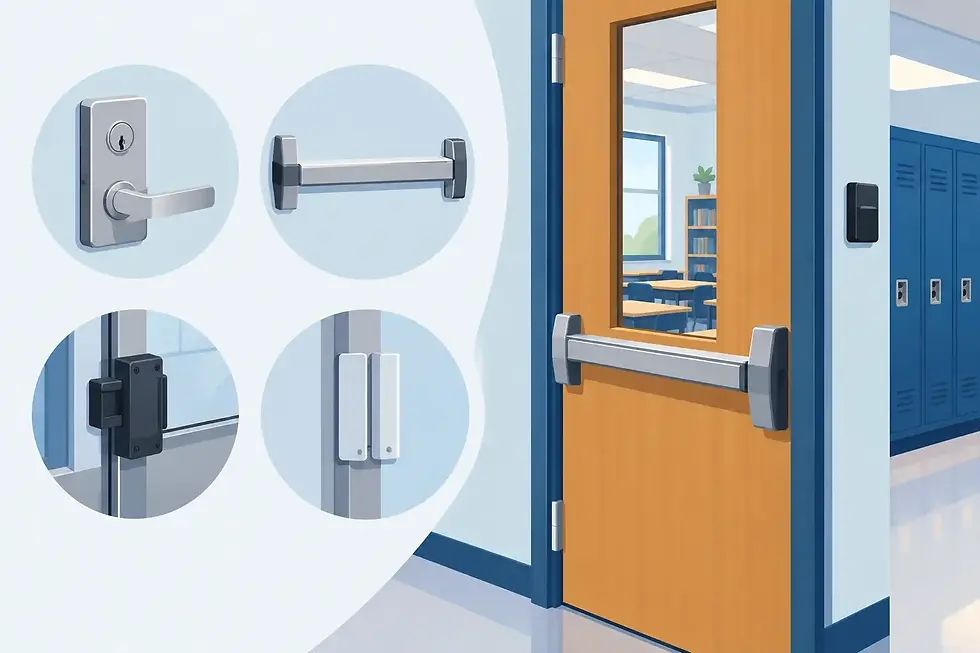
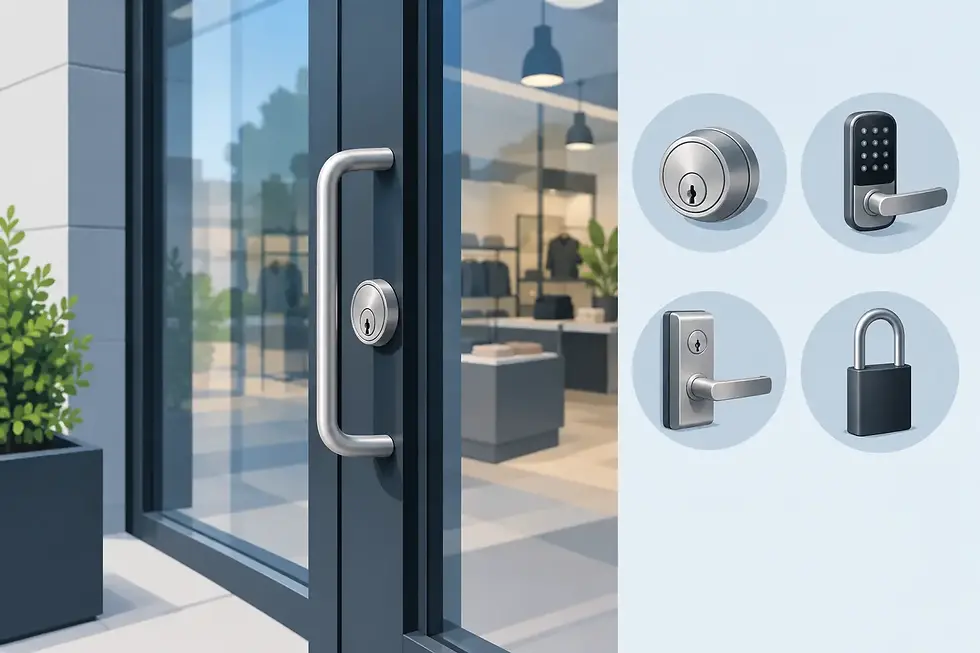
Can a Locksmith Open Safes? What to Expect

A safe lockout is different from being locked out of a house or vehicle. The contents may be irreplaceable, the safe may be heavy and fire-rated, and a rushed attempt can turn a manageable service call into an expensive repair. So, can a locksmith open safes? In many cases, yes - provided the customer can establish lawful ownership and the locksmith has the right safe-opening experience and equipment.
Whether the safe can be opened cleanly depends on its construction, locking system, condition, and the reason access was lost. A professional will assess those details before recommending a method. The goal is not simply to gain entry. It is to restore secure, reliable use of the safe whenever possible.
Can a Locksmith Open Safes Without Damaging Them?
Often, a trained safe technician can open a safe with little or no visible damage. That is especially true when the issue is a forgotten combination, a failed electronic keypad, a dead battery, a worn dial, or a malfunctioning lock. However, no honest locksmith should promise a damage-free opening before inspecting the safe.
Some safes are designed specifically to resist manipulation and forced entry. High-security burglary safes, older mechanical models, fire safes, and safes with damaged bolts may require more involved work. In certain situations, carefully controlled drilling is the safest and most practical option. When drilling is necessary, a qualified locksmith can usually repair or replace the lock afterward so the safe can continue protecting your property.
The alternative - cutting, prying, or striking the safe - can damage the door, compromise fire protection, and make future repairs more difficult. It can also put the contents at risk. Professional safe opening is based on diagnosis, patience, and the least destructive method that fits the situation.
What a Locksmith Checks Before Opening a Safe
A reliable locksmith begins by confirming that the person requesting service has the right to access the safe. This may involve photo identification, proof of address, business authorization, purchase records, or other documentation. This protects customers, employees, tenants, and property owners from unauthorized access.
Next, the technician identifies the safe and its lock type. A small home lockbox is not serviced the same way as a commercial depository safe or a fire-rated gun safe. The locksmith will look at the manufacturer, serial information where available, the condition of the door and hinges, and any signs of prior damage or attempted entry.
The specific problem also matters. A keypad that stopped working after a battery change calls for a different approach than a combination dial that no longer aligns correctly. A safe that was moved, dropped, exposed to moisture, or damaged during a break-in may have mechanical issues beyond the lock itself.
Common safe lockout situations
Homeowners and business operators most often call for safe help after a combination has been forgotten, an inherited safe has no code, or an electronic lock will not respond. Other common problems include dead batteries, keypad failures, lost keys, broken handle assemblies, jammed bolts, and locks that have been damaged during an attempted theft.
Commercial customers may also face access problems after staff turnover, changes in management, or the loss of records for an older safe. For businesses, quick access can matter when the safe holds cash, documents, medication, keys, or critical equipment. At the same time, the opening process must preserve the chain of authorization and protect sensitive contents.
Mechanical, Electronic, and Key-Operated Safes
Mechanical combination safes use a dial and internal wheels. They are known for long service life, but they can develop problems as components wear or after the safe is improperly handled. Opening and servicing these units requires specialized knowledge, particularly when a lock needs repair or replacement.
Electronic safes are convenient, but they are not maintenance-free. A dead battery may be simple to address if the safe was installed correctly and the lock is functioning normally. If the keypad has failed, the battery compartment is inaccessible, or the lock has entered a penalty mode after repeated wrong codes, the solution may be more involved. Never keep trying random codes. That can lengthen a lockout or trigger additional security features.
Key-operated safes and lockboxes may seem straightforward, but lost keys are not always a quick fix. A locksmith may be able to originate a replacement key when proper ownership can be verified. If the lock is worn, broken, or low quality, replacement may be the better long-term choice.
When Safe Opening Requires Drilling
Drilling has a bad reputation because people picture a safe being destroyed. In professional hands, that is not what careful safe drilling looks like. It is a precise procedure used when non-destructive options are not practical, when a lock has failed internally, or when the safe has features that prevent another opening method.
The location and size of any access point depend on the safe design. After entry, the locksmith may install a new lock, repair the opening, and test the bolt work. The final result should be a safe that opens reliably for its authorized user and still provides the level of protection expected from that model.
There are limits. A low-cost fire box may cost more to repair than to replace, especially if its lock mechanism is sealed or the door has been damaged. On the other hand, a quality fire or burglary safe is usually worth repairing. The technician should explain that trade-off clearly before proceeding.
What Affects the Cost of Opening a Safe?
Safe opening costs vary because safes vary. The type of safe, lock style, urgency of the call, travel distance, required parts, and opening method all affect the final price. A basic lockbox with a failed keypad is generally less complex than a commercial safe with a failed mechanical lock or a high-security safe that requires extensive work.
After-hours service may also cost more than a scheduled appointment. If the safe must be repaired, rekeyed, or fitted with a replacement electronic or mechanical lock, that work should be included in the estimate. Ask what the service call covers, whether the price changes if drilling is required, and whether the safe will be functional and secure after the work is complete.
The lowest quote is not always the safest choice. An inexperienced provider can damage a safe, leave the bolt work unreliable, or install an unsuitable replacement lock. Look for a locksmith who can explain the process in plain language and who treats the safe as a security system, not just a locked metal box.
How to Avoid Another Safe Lockout
Once access is restored, take a few practical steps to reduce the chance of a repeat problem. Store the combination or override key information in a separate secure location, not inside the safe or taped nearby. If trusted family members, partners, or managers need access, establish a clear process for who holds that information.
For electronic safes, replace batteries on a regular schedule using the battery type recommended by the manufacturer. Avoid mixing old and new batteries, and do not wait until the keypad begins acting inconsistently. If the safe sees frequent use, have the lock and bolt work checked before a minor issue becomes a complete lockout.
Businesses should update safe access whenever an employee leaves or job responsibilities change. Changing the code, rekeying the lock, or upgrading to a better access-controlled solution can prevent a former employee from retaining access to cash, records, or keys.
Choosing Help for a Safe Lockout
Not every locksmith specializes in safes, so it is reasonable to ask about experience with your particular type of unit. Describe the brand if known, whether it is mechanical or electronic, and what happened before the lockout. Clear information helps the technician arrive prepared and gives you a more realistic expectation of time, cost, and possible repairs.
For homeowners and businesses in Oshawa, Whitby, Ajax, Pickering, and across Durham Region, Durham Regional Locksmiths can assess safe and lockbox issues with the same care applied to the rest of a property's security. If the safe protects important documents, inventory, cash, or family valuables, choose a qualified professional who will verify access rights, protect the contents, and recommend the best path forward.
A locked safe can feel urgent, but it does not call for guesswork. Preserve the safe, gather any ownership information you have, and let an experienced technician determine the safest way to regain access.